

The Problem with Romans 13 Romans 13:1-7 is one of the most difficult passages in the New Testament. For starters, there is a long and convoluted interpretive history of not ...

All States have a vested interest in clothing themselves in a religious veneer or a “civil religion,” but this does not necessarily take the form of an “official” religion such ...

Lawmakers in the House and Senate in my state of Florida have proposed two bills (HB 717 & SB 774) that would amend the Florida Civil Rights Act (FCRA) to ...
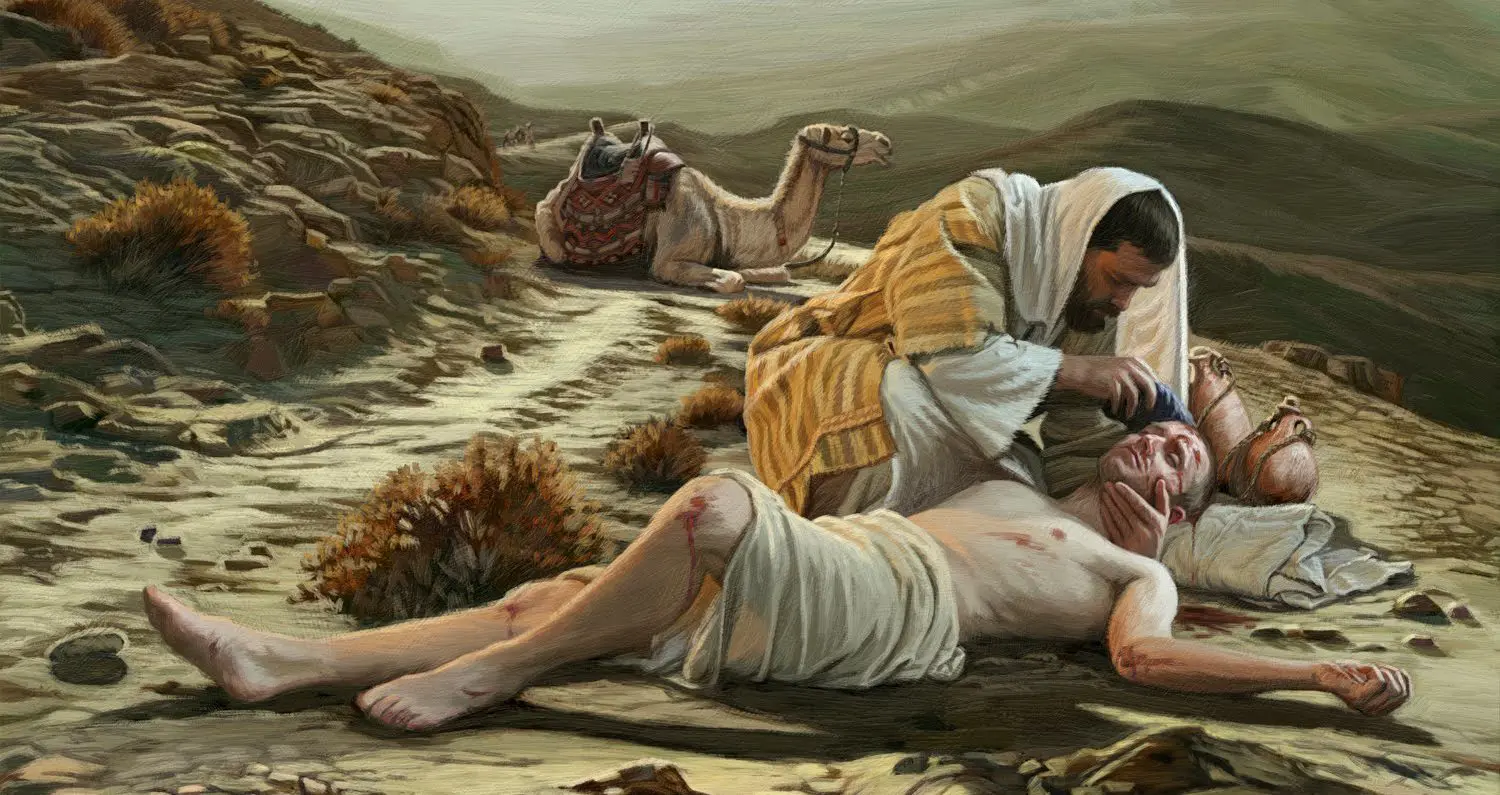
“The day when we decide that the Government is our brother’s keeper, that is the day the spirit of compassion has been lost.” —Herbert Hoover, 1949 If you are not ...

I’m prompted to write about this because of a blog post I’ve seen passed around my circles on Facebook. It’s written by John Jalsevac, a journalist and digital marketer turned ...

This article continues a series of weekly posts originally authored by David Lipscomb, an important figure in the Churches of Christ in the 1800s. Learn more about Lipscomb’s background here ...
This article begins a new series of weekly posts authored by David Lipscomb, an important figure in the Churches of Christ in the United States. Learn more about Lipscomb’s background ...

Civility is needed in America. Recently I went to the sanctuary of church during the week, and the homily’s theme was to be guided by God’s will when choosing one’s ...

This guest post was written by Dr. Douglas Young. To prevent more mass shootings, many demand more gun control laws. But do these laws prevent such massacres or address their ...

Bloodshed Leads to More Bloodshed Whatever happened to the rifleman? I’ve got a job for the rifleman. He really knew how to settle the score When mercy knocked on the ...

Here in rural Indiana, as in much of the Midwest, it’s difficult to escape the visual reminder of the ubiquity of corn and soybeans in the American diet. Every morning ...

The subject of the kingdom of God is worth returning to again and again because a biblically-informed understanding of the kingdom emboldens the people of God for Spirit-filled kingdom demonstration. ...

Among Christian libertarians, as with other libertarians, there are differing views concerning the legitimacy, necessity, and inevitability of the state. For some, this is the worn-out debate between a view supporting ...

Whenever there’s a school shooting, the answer from the political left is always the same: take the guns away from citizens and give them all to Donald Trump. It’s a ...

Among Christian libertarians, as with other libertarians, there are differing views concerning the legitimacy, necessity, and inevitability of the state. For some, this is the worn-out debate between a view supporting ...

Today’s guest post is by writer/commentator Paul LaScola. In Paul’s letter to the Romans, he writes to the Christian followers of Jesus’ nascent Church that they should honor the Roman ...
“Have you voted today?” I remember uttering these words when calling up random, local people on the phone hours before the end of the 2000 U.S. Presidential election. Somehow I ...
Human beings are often told to do stuff on the sheer basis of “authority” alone. “Listen to your teacher.” Why? Because they have “authority.” “Pay your taxes.” Why? Because the ...

Before he was Ron Paul and Rand Paul’s head of security, John Baeza was a cop’s cop. Coming from a family tradition of public servants, Baeza started his career as ...

The following is a response to a recent e-mail received by Norman Horn. (names redacted) Dear , Thank you for your kind remarks and questions. I’ll attempt to answer ...

“The truth shall set you free.” — Jesus Christ The truth, as Jesus demonstrated, is not conceptual but perceptual. That is, it is embodied, not abstract knowledge. The truth can only be ...

How does the government actually “work?” In conversations about economics or politics, it is only a matter of time before this issue comes up. I’m not referring to the typical ...

1. That the world’s problems can be solved by passing more laws. The more rules there are, the less freedom we have. There are now more criminal laws in the ...

Memorial Day, as we all know, is not just the official beginning of the summer vacation season. It is a federal holiday that commemorates U.S. soldiers who died in military ...

Jamin Hübner, General Editor of LCI’s new research journal, Christian Libertarian Review, recently published an academic piece in The Journal of Religious Leadership on the bureaucratic roadblocks to accreditation caused ...

Human desire is a magnetic force. Whenever a person desires something, the desire takes hold of their whole being. Another person sees that person’s desire for an object as a ...

Today’s guest post comes from Robert Maynard and was originally posted at Fifth Estate. ********** The notion of establishing a “City on a Hill” as an experiment in ordered liberty, ...
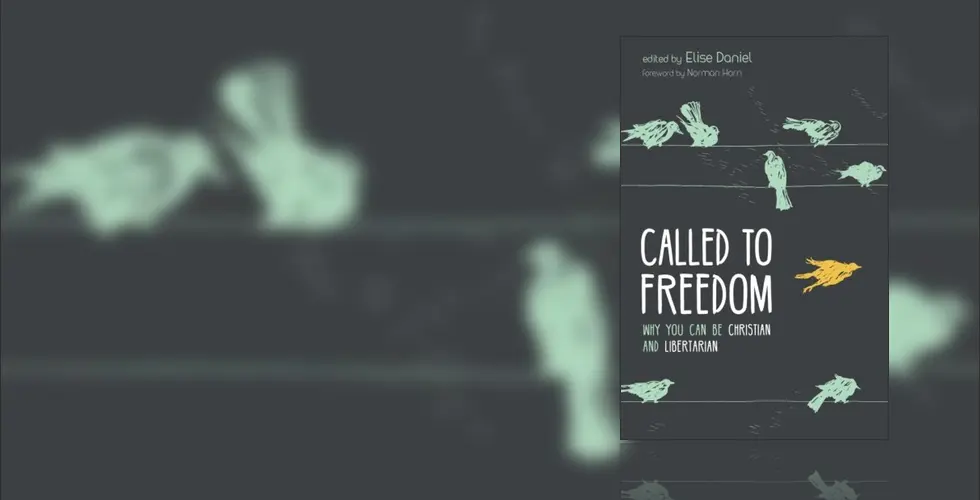
The following is an excerpt from Jason Hughey’s chapter in the new book, Called to Freedom. (edited for format) With a new understanding of Romans 13, First Peter 2, and ...
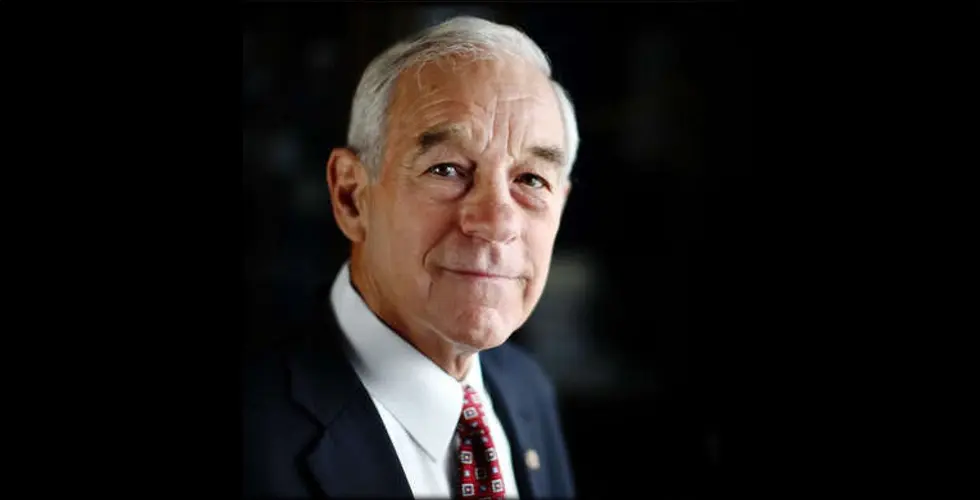
Author and friend of LCI, David Gornoski, recently interviewed Ron Paul on the subject of Christian nonviolence. It’s always great to hear Dr. Paul talk about political philosophy, but what ...

The American Left – which never had a sterling record to begin with – is rapidly deteriorating. In one sense it may seem surprising how expediently the Left has turned ...