
Intellectual property affects us daily, but is hardly understood by the average individual. Is it something libertarians need to be concerned about? Is it legitimate “property” in the first place? ...

This guest post was written by Paul LaScola. If complete slavery is defined as full forceful control over one’s actions by another person or persons, then taxation is a lesser ...
Capitalism has gotten a bad rap, unfortunately because most people are unaware of what it truly means. Marxism beliefs are creeping into the public’s view of economics, causing people to ...
The issue of abortion is of great concern to pro-lifers, yet even libertarians debate the political issues with as much disagreement as the left and the right. Is there a ...

Here in rural Indiana, as in much of the Midwest, it’s difficult to escape the visual reminder of the ubiquity of corn and soybeans in the American diet. Every morning ...
Is there a Christian view of economics? If so, what makes The Economic Way of Thinking different for the Christian? Why do people easily believe economic fallacies? Today Dr. Victor ...
Today’s guest post is by Paul LaScola. Consider the proposition that a condition of individual liberty exists if all individuals are in full control of their own property: one’s life, ...
The left frequently criticizes free market capitalism with inaccurate caricatures and economic fallacies. However, in recent years, many business leaders and academics have been revisiting the philosophical foundations of capitalism ...
Among Christian libertarians, as with other libertarians, there are differing views concerning the legitimacy, necessity, and inevitability of the state. For some, this is the worn-out debate between a view supporting ...
Connor Boyack is president of Libertas Institute, a free market think tank in Utah. He is the author of the popular libertarian book series for children, The Tuttle Twins, as ...
Tired of hearing bad arguments about why the state is good, but need a better way to respond? Author Zack Rofer (pseudonym) has you covered with his free e-book, Busting ...
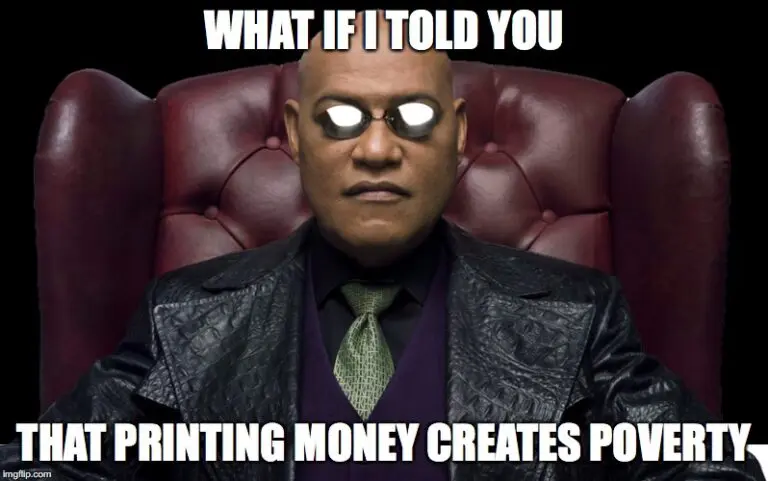
If you wanted to become the most powerful person in the world, how would you do it? Work harder than everyone else? Suck up to other powerful people and ...

Today’s guest post is by writer/commentator Paul LaScola. The sense of God and commerce have both been with mankind throughout history. These two characteristics of man — one spiritual, ...
Regardless of your denomination, many American Christians have the sense that something is wrong in the Church today. Have we forgotten our mission and values, and if so, what can ...

In 2013, in response to the increasing “open carry” debate, Howard Schultz, the chairman, president, and chief executive officer of Starbucks posted an open letter on the company’s website requesting ...
Chris Horst is the vice president of development at HOPE International, where he employs his passion for advancing initiatives at the intersection of faith and work. Chris also serves on ...
The gun control debate in the United States has raged on for decades, and in many ways has escalated in recent years. Every time there is a mass shooting, calls ...
Join us for our second episode where we answer questions you have submitted, as well as popular topics from our Facebook group. We talk about cannabis, whether libertarianism can become ...
Concern for social justice has become one of the most effective ways for Christians to signal that they care about the world’s poor, yet below the surface of this virtue ...
Last month I did a preliminary libertarian analysis of the Republicans’ newest tax-reform plan. I concluded that their “Unified Framework For Fixing Our Broken Tax Code” left us with too ...
There are many divergent views about specific topics within libertarian Christian thought, just as there are within strictly libertarian or strictly Christian thinking. But the overarching theme that unites the ...

My father and I recently finished publishing a book entitled Paradise Destroyed: The Destruction of Rural Living by the Wind Energy Scam. The book reached #1 on Amazon for “New ...
It has often been pointed out that corporate profits are double taxed when a corporation pays income tax on its profit and then shareholders pay income tax on that same ...

* Today’s guest post comes from Justin Nguyen, founder and Director of Nguyen Solutions, a Christian libertarian-owned startup currently crowdfunding a campaign to recycle food using the black soldier fly. ...

If I hear another bureaucrat complain about Airbnb creating a “shortage” of housing, I’ll vomit. Airbnb, like the steam engine, wash machine, and internet, is a disruptive business innovation of ...

*Today’s guest post comes from Dr. Alex Tokarev of Northwood University. As an economist at Northwood University, I teach the history and philosophy of various economic systems. In fact, humanity ...

1. That the world’s problems can be solved by passing more laws. The more rules there are, the less freedom we have. There are now more criminal laws in the ...

Jamin Hübner, General Editor of LCI’s new research journal, Christian Libertarian Review, recently published an academic piece in The Journal of Religious Leadership on the bureaucratic roadblocks to accreditation caused ...

Today’s guest post is by Rev. Jacob Chulsung Kim, PhD. Libertarian-leaning Christians face resistance from other believers for many reasons, one of which is the problem of greed. Because ...
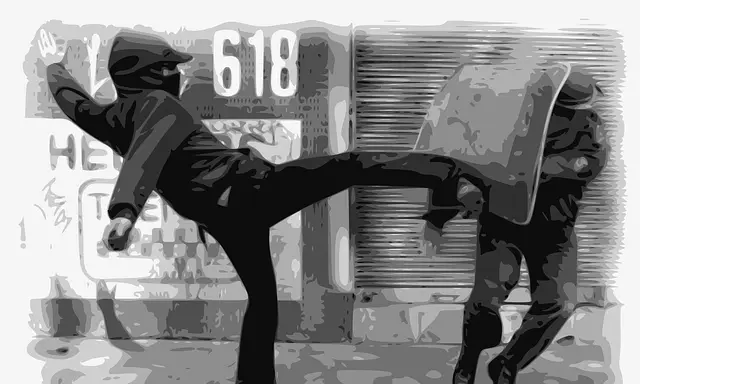
Reuters is reporting on supposed ‘anarchist groups’ planning to interfere with Donald Trump’s inauguration ceremony on January 20th. This falls in line with the popularly-accepted (and completely wrong) definition of ...