

In lieu of our normal Weekend Insights post, I want to highlight an important opportunity in the United States happening right now that affects world events, and then tell you ...

On the eve of the exit of President Bush, it seems appropriate to review what will most likely be the lasting legacy of this President – the Iraq War. The ...

Since the beginning of the war in Iraq, I have unequivocally maintained several things about the deaths of U.S. troops. Every one of the 4,450 U.S. soldiers who has died ...

My good friend Anthony Gregory has written a spectacular retrospective of 9-11 at the Independent Institute blog. It encapsulates how I feel about the event so much that I absolutely ...

With the savage violence being reported daily from the Middle East, and with news of the recent Christian martyrs in Libya, what to do and how to respond has been ...

This guest post was written by Kollin Fields. …Trample underfoot those who lust after tribute; scatter the peoples who delight in war. -Psalm 68:30 What’s so great about a king? ...

For many years, Christians all across America have sincerely believed that the Federal Government and the military need to "promote freedom" through active aggression against other nations - this is ...
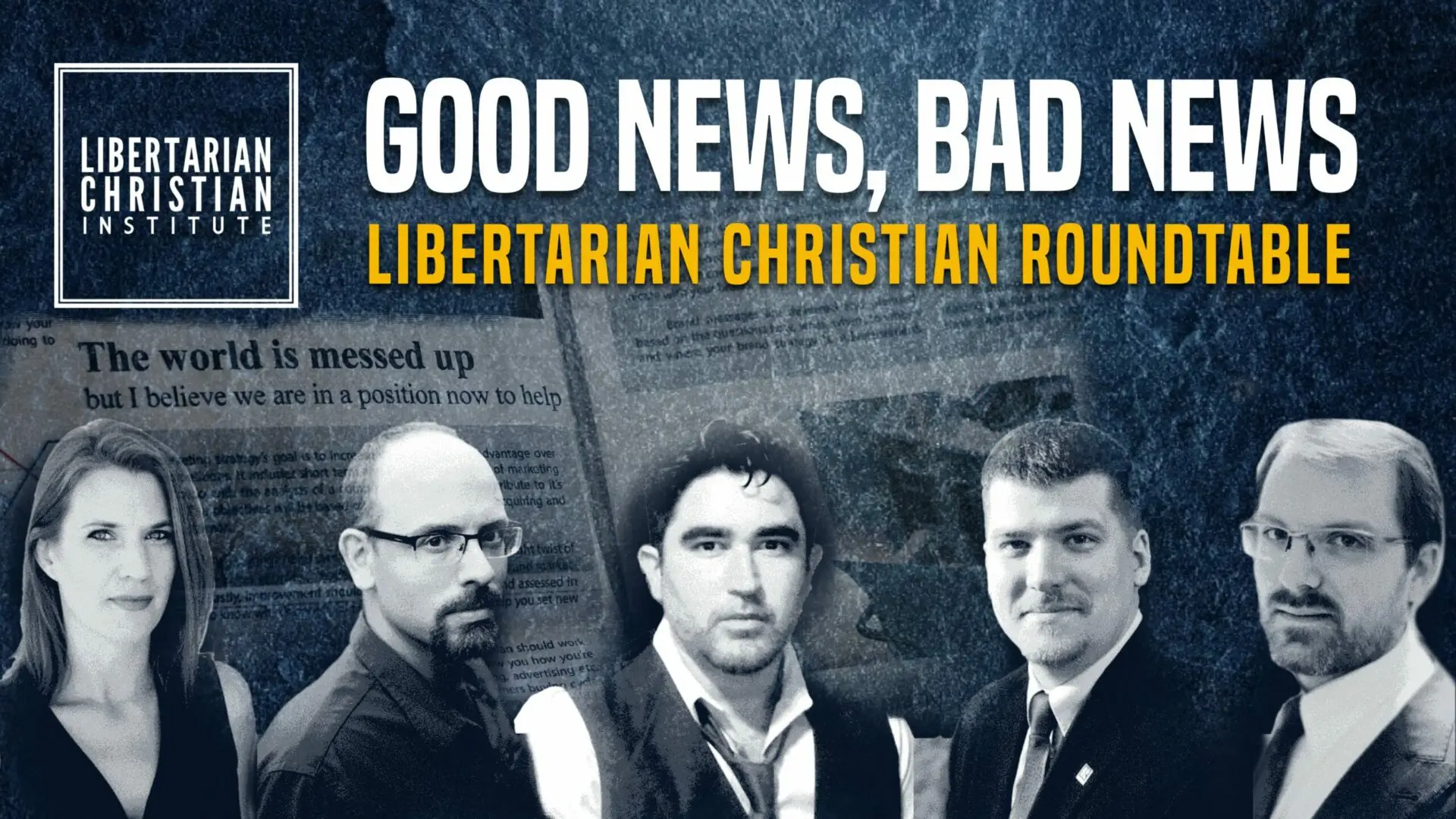
Join the libertarian Christian roundtable discuss the tragic conclusion of the war in Afghanistan, including a discussion on why Ron Paul was right about interventionism and why the feminists are ...

Editor’s Note: This is an older article but particularly relevant today as the U.S. military exits Afghanistan. Please pray for our Christian brothers and sisters there as they continue to ...
This episode features LCI’s Libertarian Christian Roundtable, where you get a Libertarian Christian reaction and assessment of the latest news. In this episode, we welcome David Gay of Liberty Memes ...

This guest post was written by Dawson Kiser. Dawson is a writer from Chicago Illinois. He recently graduated from Grove City College with a B.A. in Economics. At the time ...

This is a guest post by Jim Fedako. He is a homeschooling father of six who lives in Lewis Center, OH, and maintains a blog: Anti-Positivist. Leave Government and Cleave ...
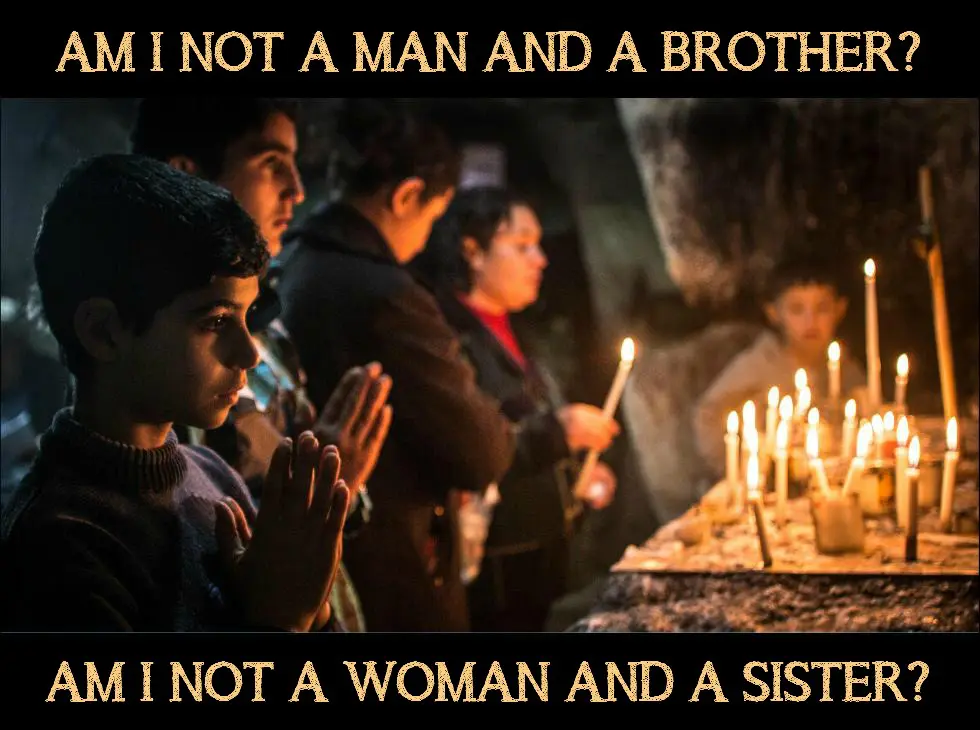
Christians Need To Broaden Their Pro-Life Horizons Conventional wisdom says that a Republican candidate for President will almost certainly not win the nomination unless they are sufficiently pro-life. Mitt Romney ...

A Response to Russell Moore’s “Why Christians Must Speak Out Against Donald Trump’s Muslim Remarks”. The least courageous act in American politics right now has got to be denouncing Donald ...

The horrific attacks in Paris on Friday have, predictably, led to much over-reaction and demands that we do more of the exact things that radicalize people and make them want ...

Now the serpent was more subtle than any beast of the field which the Lord God had made. And he said unto the woman, “Yea, hath God said, Ye ...

Conservative Republicans are sometimes said by the media to be “libertarian” or “libertarian-leaning.” This is especially true if they say something about marijuana legislation being left up to the states ...

The past 100 years of mostly free markets have witnessed unprecedented advances that allow millions to enjoy life in ways our ancestors could not fathom. From communications to transportation, we ...

George W. Bush was not the first president to have a “faith-based” foreign policy. Most people know that Woodrow Wilson (1856-1924) was the U.S. president from 1913 to 1921. Some ...

Since the United States launched the unnecessary, immoral, unjust, and senseless war in Iraq in 2003, the Christian blasphemy occurring in churches has increased ten-fold. Even as the many lies ...

This guest post is by C.Jay Engel of The Reformed Libertarian. For guest post opportunities, please see the Contact page. I have read a good deal of all that Murray ...
This guest post is by Jeremy Mack of The Evangelical Libertarian. For guest post opportunities, please see the Contact page. The Insanity of Interventionism If insanity can be defined as ...

In September 2012, the privately held retail store Hobby Lobby filed a lawsuit against the US federal government regarding new regulations in the Affordable Care Act (ACA) requiring that employer ...
This talk was given at the Authors Forum at the 2014 Austrian Economics Research Conference at the Mises Institute. I would like to thank Joe Salerno, Mark Thornton, and the ...

The WikiLeaks revelations have shined a light on the dark nature of U.S. foreign policy, including, as Eric Margolis recently described it: “Washington’s heavy-handed treatment of friends and foes alike, ...

“It is forbidden to kill; therefore all murderers are punished unless they kill in large numbers and to the sound of trumpets.” — Voltaire Critics of the wars in Iraq ...
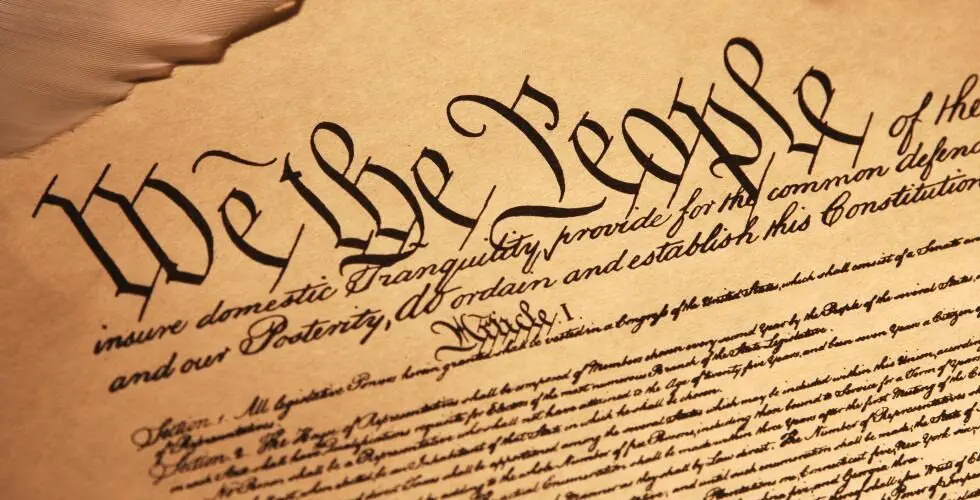
Being a constitutionalist is not enough; being a libertarian is.
Disney World in central Florida recently opened a large expansion and renovation of its Fantasyland area. Kids can ride Dumbo the Flying Elephant, the Mad Tea Party, the Many Adventures ...

Recapping interesting and significant news stories and media from the past weeks… Chuck Baldwin asks some very pointed questions to evangelicals everywhere about war and their faith. To those evangelicals ...

From a biblical perspective, the worst thing about Christian apologists for war, the military, and the warfare state is not their willful ignorance of U.S. foreign policy, their blind nationalism, ...